

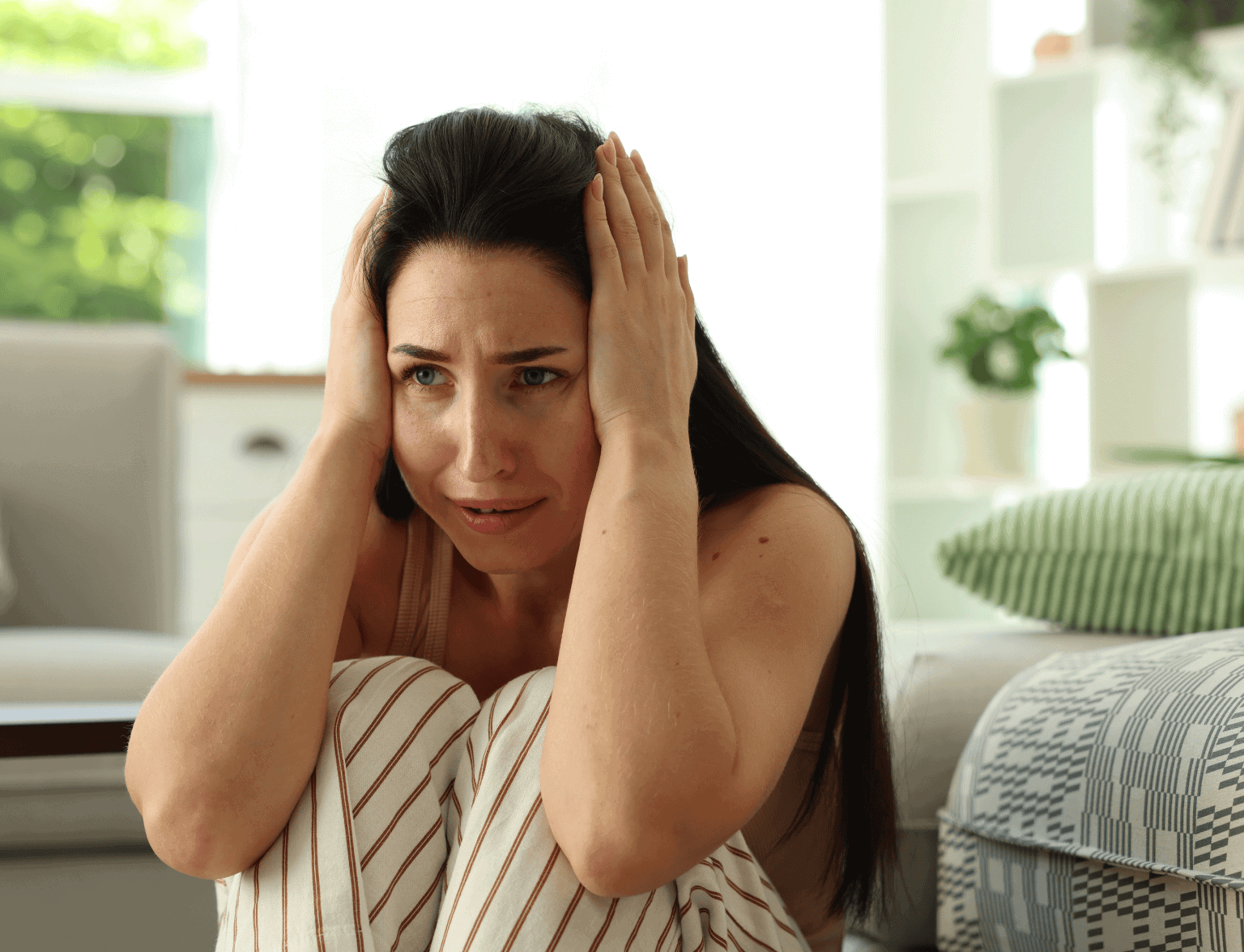

Why panic attacks feel terrifying—and why they’re not dangerous
A panic attack can feel like your body has suddenly turned against you. Your heart races. Breathing feels difficult. Dizziness, chest tightness, sweating, and an overwhelming sense of fear can make it feel like something catastrophic is happening.
Many people experiencing a panic attack for the first time believe they’re having a heart attack, losing control, or dying.
At NVelUp.care—serving Washington, Idaho, New Mexico, and Utah—we help people understand what panic attacks really are, what’s happening inside the brain and body, and how compassionate, evidence-based care can bring lasting relief 🌿.
🚨 What Is a Panic Attack?
A panic attack is a sudden surge of intense fear or discomfort that peaks within minutes and triggers strong physical symptoms—often without a clear external threat.
Panic attacks are commonly associated with:
- Anxiety disorders
- Panic disorder
- PTSD
- Depression
- Mood disorders
- Chronic stress or trauma
They are frightening—but not dangerous.
🧠 What’s Happening in Your Brain During a Panic Attack?
During a panic attack, the brain mistakenly interprets danger where none exists.
Here’s the sequence:
- Amygdala activation
The amygdala (your brain’s threat detector) sends an alarm—even without real danger. - Fight-or-flight response
The brain signals the nervous system to prepare for survival. - Stress hormone release
Adrenaline and cortisol flood the body, accelerating heart rate and breathing. - Loss of rational override
The prefrontal cortex (logic center) temporarily loses control, making reassurance difficult.
This misfire happens fast—often before conscious thought can intervene.
💓 What’s Happening in Your Body During a Panic Attack?
The body reacts as if it needs to escape a life-threatening situation.
Common physical symptoms include:
- Racing or pounding heart
- Shortness of breath or air hunger
- Chest tightness or pain
- Dizziness or lightheadedness
- Sweating or chills
- Nausea or stomach discomfort
- Tingling or numbness
These sensations are intense but temporary. They result from adrenaline—not physical harm.
🔄 Why Panic Attacks Feel So Out of Control
Panic attacks feel overwhelming because:
- They activate survival systems faster than conscious thought
- Physical symptoms reinforce fear (“Something must be wrong”)
- Fear of the symptoms increases adrenaline—creating a feedback loop
This cycle can lead to panic disorder, where fear of panic itself becomes the trigger.
😟 Panic vs Anxiety: What’s the Difference?
| Anxiety | Panic Attack |
| Gradual build-up | Sudden onset |
| Ongoing worry | Intense fear peak |
| Manageable discomfort | Overwhelming physical symptoms |
| Often situational | Can feel random |
Many people experience both—and treatment often addresses both together.
🧬 Panic Attacks, Hormones, and Physical Health
Chronic stress, poor sleep, and hormonal imbalances can increase panic vulnerability.
Factors that may worsen panic include:
- Elevated cortisol
- Nervous system dysregulation
- Low testosterone (Low T) contributing to fatigue and emotional instability
- Digestive or blood sugar imbalances
This is why panic attacks are not “just mental”—they’re physiological events.
🩺 How Psychiatry and Medication Management Help
A licensed psychiatrist can help determine whether panic attacks are part of:
- Panic disorder
- Generalized anxiety disorder
- PTSD or trauma response
- Mood disorders or depression
When appropriate, medication management for anxiety or panic can:
- Calm nervous system hyperreactivity
- Reduce frequency and intensity of attacks
- Improve sleep and emotional regulation
- Make therapy more effective
Medication is never forced—and always carefully monitored.
🗣️ Why Therapy Is Essential for Panic Recovery
While medication can stabilize symptoms, therapy addresses the root.
Working with a licensed therapist or psychologist helps:
- Reframe fear-based thought patterns
- Break the panic–fear cycle
- Learn nervous system regulation skills
- Reduce avoidance behaviors
- Process trauma when present
Talk therapy, especially CBT-based and trauma-informed approaches, is highly effective for panic attacks.
🌿 A Whole-Person Approach at NVelUp.care
At NVelUp.care, we treat panic attacks through integrated care—not one-size-fits-all solutions.
Your plan may include:
- 🧠 Psychiatry and medication management
- 💬 Therapy and talk therapy
- 🌱 Naturopathy (ND) to support nervous system balance
- 🥗 Nutrition coaching to stabilize energy and stress hormones
- 🏋️ Fitness and personal training to regulate adrenaline naturally
- 🧪 Hormonal evaluation when fatigue or mood symptoms suggest Low T
This approach treats panic at both the biological and psychological levels.
🚩 When to Seek Professional Help
Consider reaching out if:
- Panic attacks happen repeatedly
- Fear of panic limits your life
- Symptoms feel unpredictable or overwhelming
- You avoid places or situations
- You’ve searched for a psychiatrist near me or online psychiatrist
Early support prevents panic from becoming chronic.
🌤️ Panic Attacks Are Treatable
Panic attacks do not mean you’re weak, broken, or in danger.
They mean your nervous system is misfiring—and it can be retrained.
With the right care, panic attacks can become less frequent, less intense, and eventually manageable 💚.
🌿 Take the Next Step Toward Calm and Control
If panic attacks are disrupting your life, help is available.
👉 Visit NVelUp.care to connect with compassionate psychiatrists, therapists, and holistic wellness professionals across Washington, Idaho, New Mexico, and Utah.
Together, we’ll help your body and brain feel safe again 🌱.