

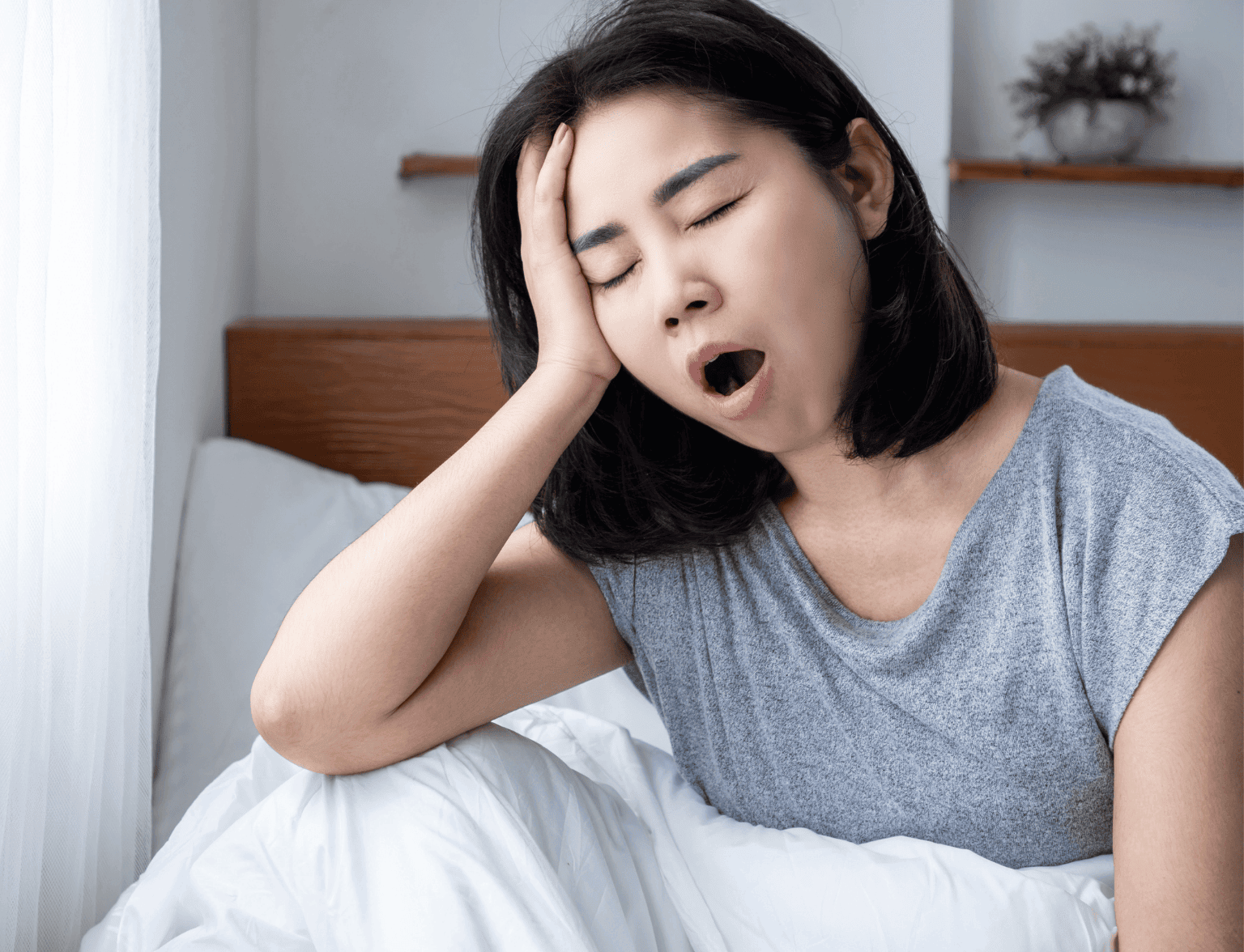

Why sleep isn’t a luxury—it’s the foundation of mental health
If you’re anxious, low, unfocused, or emotionally reactive, sleep may be the missing link. Poor or disrupted sleep doesn’t just make you tired—it amplifies anxiety, deepens depression, and worsens ADHD symptoms. Over time, it can trap you in a cycle where mental health symptoms disrupt sleep, and poor sleep intensifies mental health symptoms.
At NVelUp.care—serving Washington, Idaho, New Mexico, and Utah—we see every day how restoring sleep can unlock progress in psychiatry, therapy, and medication management. Here’s how sleep loss affects the brain—and what actually helps 🌱.
🧬 What Happens to the Brain When You Don’t Sleep
Sleep is when your brain:
- Clears metabolic waste
- Rebalances neurotransmitters
- Regulates stress hormones
- Consolidates memory and learning
When sleep is short, fragmented, or irregular, the brain stays in threat mode. Cortisol rises, emotional regulation drops, and focus suffers—setting the stage for anxiety, depression, and ADHD-like symptoms.
😟 Poor Sleep and Anxiety: A Vicious Loop
Sleep deprivation heightens the brain’s alarm system. Even one bad night can:
- Increase worry and rumination
- Lower tolerance for stress
- Trigger panic sensations (racing heart, shallow breathing)
Chronic poor sleep keeps the nervous system hyperactive, making anxiety feel constant and overwhelming. This is why medication management for anxiety, paired with sleep-focused strategies and talk therapy, can be so effective.
😔 Poor Sleep and Depression: When Rest Doesn’t Restore
Depression and sleep problems often travel together. Poor sleep can:
- Blunt dopamine and serotonin signaling
- Reduce motivation and pleasure
- Increase fatigue and hopelessness
Insomnia, early-morning awakenings, or oversleeping can all worsen depression. Addressing sleep alongside therapy and, when appropriate, psychiatric care, often accelerates recovery.
⚡ Poor Sleep and ADHD: Focus Falls Apart
Sleep loss mimics—and magnifies—ADHD symptoms:
- Inattention and distractibility
- Impulsivity and irritability
- Poor working memory and planning
Adults with ADHD are especially vulnerable to circadian disruption. Without adequate sleep, even the best strategies (or medications) may feel inconsistent. Coordinated care with a psychiatrist, therapist, and lifestyle support makes a real difference.
🧠 Hormones, Sleep, and Mood
Sleep regulates hormones that shape mood and energy. Chronic sleep debt can:
- Elevate cortisol
- Disrupt insulin and appetite hormones
- Suppress testosterone, contributing to low testosterone (Low T) symptoms like fatigue, low mood, and irritability
This hormonal imbalance can masquerade as—or worsen—mood disorders, anxiety, and burnout.
🩺 When to Consider Professional Support
You may benefit from care if:
- Sleep problems persist despite good habits
- Anxiety, panic, or low mood worsen at night
- Focus issues intensify with poor sleep
- You feel exhausted despite “enough” hours in bed
A comprehensive evaluation with a psychiatrist or psychologist can clarify whether insomnia is driving symptoms—or vice versa—and guide med management, therapy, or both.
🧩 How Treatment Helps (And Why It Works)
At NVelUp.care, we take a whole-person approach:
- 🧠 Psychiatry & Medication Management
Thoughtful options to calm hyperarousal, stabilize mood, and support sleep—always personalized and monitored. - 💬 Therapy & Talk Therapy
Techniques to reduce rumination, regulate emotions, and reset sleep-related anxiety. - 🌱 Naturopathy (ND)
Support for circadian rhythm, stress hormones, and restorative sleep. - 🥗 Nutrition Coaching
Timing, macronutrients, and micronutrients that promote sleep quality. - 🏋️ Fitness & Personal Training
Daytime movement that improves sleep depth and consistency.
Together, these supports help break the sleep–symptom cycle.
🛌 Practical Steps to Improve Sleep (Starting Tonight)
- Keep a consistent sleep/wake time—even on weekends
- Get morning light exposure
- Limit caffeine after early afternoon
- Wind down with a tech-free routine
- Use the bed for sleep (not scrolling)
- Seek help early—don’t “push through” chronic insomnia
Small changes, guided by the right care team, can produce big gains.
🌤️ Sleep Is Treatment—Not an Afterthought
When sleep improves, anxiety softens, mood lifts, and focus sharpens. It’s not about perfection—it’s about restoring your brain’s nightly reset.
🌿 Take the Next Step Toward Restful Nights and Calmer Days
If poor sleep is fueling anxiety, depression, or ADHD, you don’t have to manage it alone.
👉 Visit NVelUp.care to connect with compassionate psychiatrists, therapists, and holistic wellness experts across Washington, Idaho, New Mexico, and Utah.
Let’s help your mind—and sleep—recover 💚.