

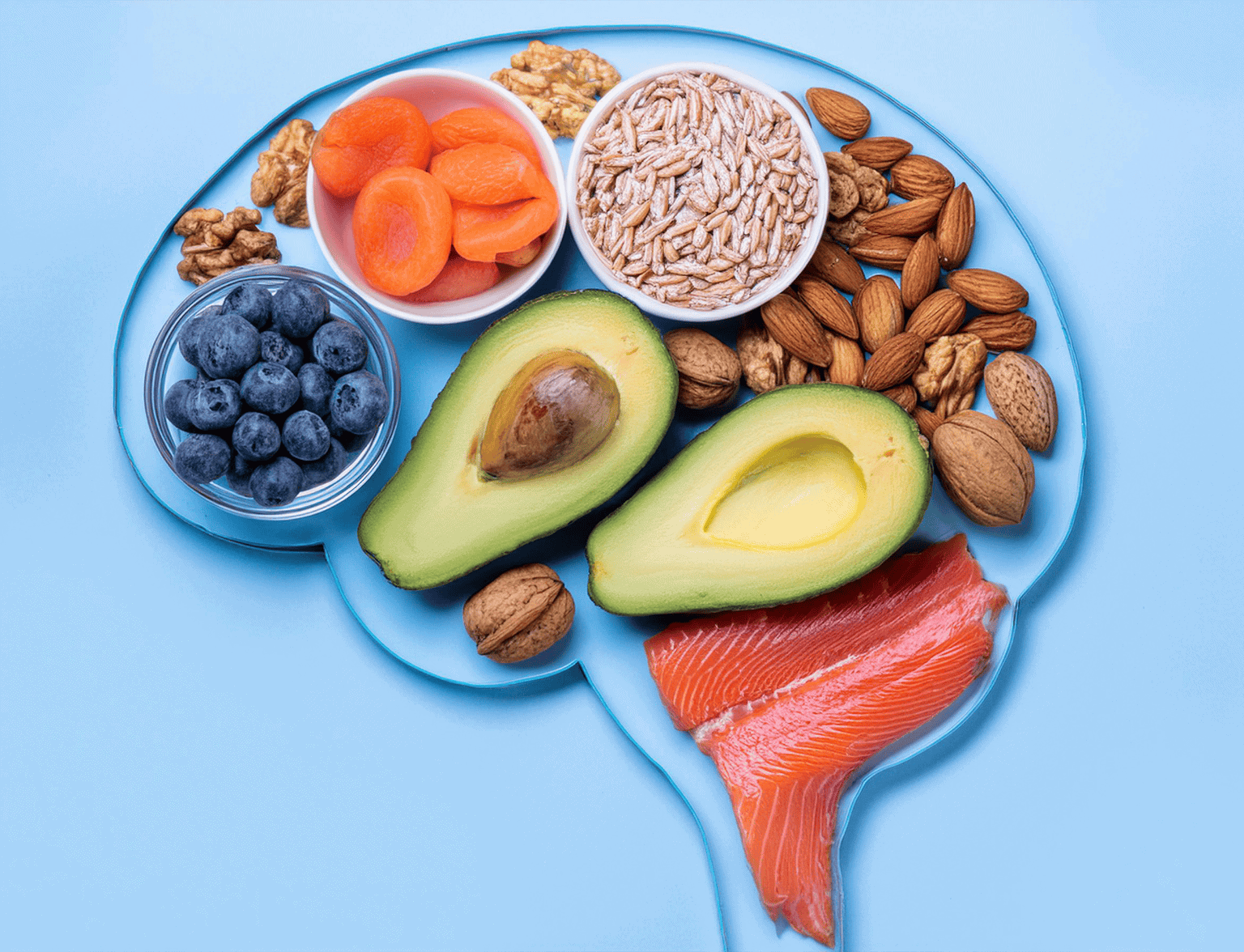

Why your mental health may start in your stomach—not just your mind
If you’ve ever felt anxious during digestive discomfort, foggy after a heavy meal, or emotionally low during ongoing gut issues, you’re not imagining things. The gut–brain connection is real—and powerful.
At NVelUp.care, serving individuals across Washington, Idaho, New Mexico, and Utah, we help patients understand how digestion, hormones, and mental health interact. Mood, focus, and emotional balance are deeply influenced by what’s happening in your gut—and treating one without the other often leaves people stuck.
🔗 What Is the Gut–Brain Connection?
Your gut and brain are in constant communication through the gut–brain axis, a two-way network involving:
- The vagus nerve
- Neurotransmitters like serotonin and dopamine
- The immune system
- Hormones and stress chemicals
In fact, about 90% of serotonin (a key mood-regulating chemical) is produced in the gut—not the brain. When digestion is disrupted, emotional regulation, focus, and motivation often suffer.
😟 How Gut Health Affects Mood
Digestive imbalances can directly contribute to mental health symptoms such as:
- Anxiety and panic
- Depression or low mood
- Irritability or anger
- Emotional sensitivity
- Mood swings linked to mood disorders
Chronic gut inflammation or imbalance can activate stress pathways, increasing cortisol and worsening anxiety. This is especially common in individuals with PTSD, OCD, or long-term stress exposure.
🧠 How Digestion Impacts Focus and Attention
Poor gut health doesn’t just affect mood—it also affects cognition.
People with digestive issues often report:
- Brain fog
- Poor concentration
- Low motivation
- Memory issues
These symptoms can mimic or worsen ADHD, burnout, or depression. Without addressing digestion, focus-related treatment may feel incomplete—even with therapy or medication.
🧬 The Role of Stress, Hormones, and the Gut
Stress is one of the biggest disruptors of digestion. Chronic stress:
- Slows digestion
- Alters gut bacteria
- Increases inflammation
- Disrupts hormone balance
Over time, this can contribute to low testosterone (Low T), fatigue, emotional numbness, and reduced mental clarity. This is why many people feel “off” both mentally and physically during prolonged stress or anxiety.
🩺 When Gut Issues and Mental Health Overlap
Gut-related mental health symptoms often appear alongside:
- Anxiety disorders
- Depression
- Panic attacks
- Mood instability
- Emotional exhaustion or burnout
In these cases, working with a psychiatrist, therapist, or psychologist—alongside digestive and lifestyle support—can be transformative.
💊 Psychiatry, Therapy, and the Gut–Brain Axis
Mental health treatment works best when digestion is part of the conversation.
At NVelUp.care, psychiatry and medication management are thoughtfully combined with therapy and holistic care. This helps ensure medications work effectively and don’t worsen gut symptoms—while therapy helps regulate the stress response driving digestive imbalance.
For some patients, medication management for anxiety or depression helps calm the nervous system enough for the gut to begin healing.
🌿 A Holistic Approach to Gut and Mental Wellness
True healing happens when the whole system is supported.
Our integrated approach may include:
- 🧠 Psychiatry and medication management
- 💬 Therapy and talk therapy to reduce stress-driven gut disruption
- 🌱 Naturopathy (ND) to restore digestive balance
- 🥗 Nutrition coaching for gut-friendly eating
- 🏋️ Fitness and personal training to support metabolism and mood
- 🧪 Hormonal evaluation when symptoms suggest Low T or fatigue
By supporting digestion, we often see improvements in mood, focus, and emotional resilience.
🚩 Signs Your Gut May Be Affecting Your Mental Health
You may benefit from integrated care if you experience:
- Anxiety or low mood with digestive discomfort
- Brain fog or poor focus despite treatment
- Emotional changes linked to eating or stress
- Chronic bloating, IBS, or gut sensitivity
- Fatigue with hormonal symptoms
If you’ve searched for a psychiatrist near me or online psychiatrist while dealing with gut issues, it may be time for a more comprehensive approach.
🌤️ Healing the Gut Can Help Heal the Mind
Mental health doesn’t exist in isolation—and neither does digestion. When the gut is supported, the brain often follows.
Understanding and treating the gut–brain connection can unlock clarity, emotional balance, and focus you may have been missing.
🌿 Take the Next Step Toward Whole-Body Wellness
If digestive issues are affecting your mood or focus, compassionate help is available.
👉 Visit NVelUp.care to connect with experienced psychiatrists, therapists, naturopaths, and wellness experts across Washington, Idaho, New Mexico, and Utah.
Let’s support your gut, your brain, and your well-being—together 💚.